Milwaukee County Court serves as the primary judicial authority for legal cases across Milwaukee County, Wisconsin. The Milwaukee County Court system oversees civil, criminal, family, and probate matters through an organized county judiciary. It supports lawful dispute resolution, case review, and courtroom proceedings for residents and local entities. The court structure follows Wisconsin law and applies consistent procedures across all case types. The court ensures that legal processes are conducted efficiently, fairly, and transparently. It also provides resources and information to help the public understand court procedures and requirements.
Milwaukee County courts operate within Wisconsin’s judicial system and manage a high volume of filings, hearings, and rulings each year. The Milwaukee County Circuit Court reviews felony cases, civil disputes, family law, and juvenile matters, and Municipal Courts handle traffic violations and local ordinance cases, and Probate Court addresses estates, guardianships, and mental health proceedings. Judges, clerks, and court staff support daily court operations and maintain official records to support fair case review. This page explains court structure, case types, court locations, and public court services related to the Milwaukee County Court and its role in the county judiciary.
What is the Milwaukee County Court System
The Milwaukee County Court System is a key part of Wisconsin’s judiciary, handling a wide range of civil, criminal, and administrative cases. It operates under state law and provides judicial authority for cases arising within Milwaukee County.
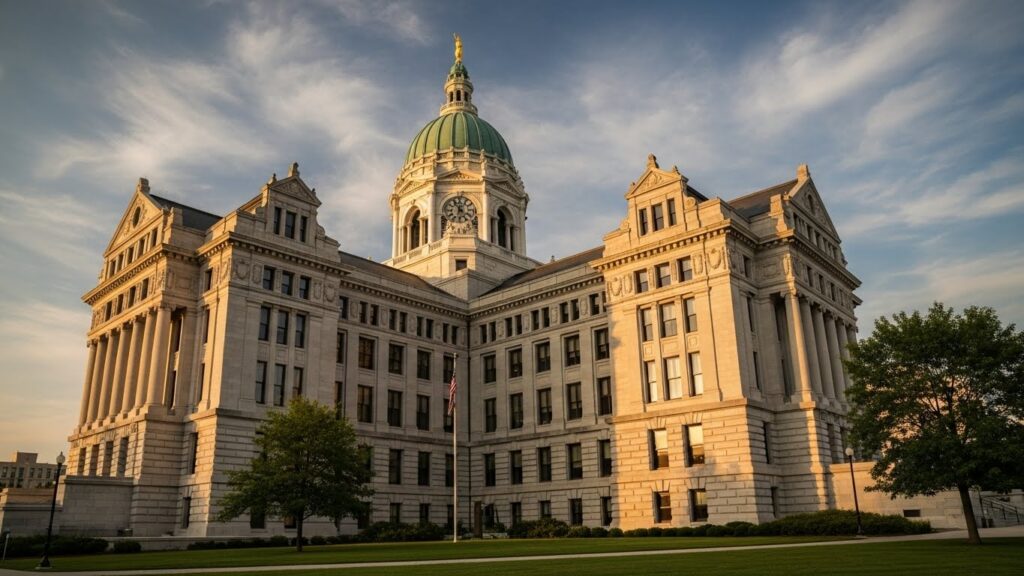
Milwaukee County courts are an integral component of the Wisconsin court system, ensuring that justice is administered fairly and efficiently. These courts handle cases from traffic violations to major criminal charges and civil disputes, applying state statutes and local regulations. The system is structured to address different case types at appropriate levels, offering clear jurisdiction for each court.
Court Structure and Jurisdiction
The Milwaukee County Court System includes several types of courts, each with specific responsibilities:
- Circuit Courts: These are trial courts of general jurisdiction. They handle major civil and criminal cases, family law matters, probate cases, and more. Circuit courts are divided into branches, each presided over by a circuit judge.
- Municipal Courts: Municipal courts address local ordinance violations, traffic infractions, and minor misdemeanors. These courts provide quick resolutions for less complex cases.
- Specialty Courts: Milwaukee also operates specialty courts, such as drug courts or mental health courts, focusing on rehabilitation and alternative sentencing for specific populations.
Jurisdiction refers to the court’s legal authority to hear certain types of cases. In Milwaukee County, circuit courts have broad jurisdiction, while municipal and specialty courts focus on narrower areas. This hierarchy ensures that each case is addressed efficiently and by the proper judicial authority.
Role Within Wisconsin’s Judicial System
Milwaukee County courts function within the statewide framework, which includes the Wisconsin Supreme Court, Court of Appeals, and trial courts. This structure allows cases to progress through appropriate channels if appeals or reviews are needed.
The courts maintain public records, oversee legal procedures, and ensure that court orders comply with Wisconsin law. Judges exercise judicial authority to interpret laws, resolve disputes, and issue rulings that impact both individuals and the community.
Search the Milwaukee County Court
Searching Milwaukee County Court records follows a clear and structured method. Users begin by identifying the correct case type, then use official court systems to view case details, dockets, or documents.
The Milwaukee County Court maintains approved platforms and offices where court records may be viewed or requested. After completing the search process, users can choose where to view records based on service type, document needs, and cost.
Correct Method to Search Court Records
A proper Milwaukee County Court search starts with basic case details. This helps return accurate results and avoids incomplete records.
Required details for a case lookup:
- Full name of one party
- Case number, if available
- Case type, such as civil, criminal, traffic, or family
- Approximate filing year
Once this information is ready, users may proceed to the official court record sources listed below. Each option offers different services, pricing, and document availability.
Official Milwaukee County Court Record Sources
Below are the main sources where users can view or request Milwaukee County Court records, along with their services and fees.
Wisconsin Circuit Court Access
- Location: Online
- Address: N/A
- Phone: N/A
- Services Provided: Case lookup, court docket search, hearing dates, case summaries
- Price: Free for viewing
- Official URL: https://wcca.wicourts.gov
Milwaukee County Clerk of Courts
- Location: Downtown Milwaukee
- Address: 901 N 9th St, Milwaukee, WI 53233
- Phone: (414) 278‑4120
- Services Provided: Court documents, filings, judgments, certified copies
- Price: Copies approximately $1 per page
- Official URL: https://county.milwaukee.gov/ClerkofCourts
Milwaukee County Criminal Division Clerk
- Location: Milwaukee
- Address: 901 N 9th St, Milwaukee, WI 53233
- Phone: (414) 278‑4538
- Services Provided: Criminal docket records, filings, sentencing information
- Price: Copies approximately $1 per page
- Official URL: https://county.milwaukee.gov
Milwaukee County Civil Division Clerk
- Location: Milwaukee
- Address: 901 N 9th St, Milwaukee, WI 53233
- Phone: (414) 278‑4190
- Services Provided: Civil case records, motions, court orders
- Price: Copies approximately $1 per page
- Official URL: https://county.milwaukee.gov
Court Jurisdiction and Legal Authority in Milwaukee County
Milwaukee County Court has the legal authority to hear a wide range of cases, including civil, criminal, and family matters. Its jurisdiction is defined by state law, which sets the boundaries for the types of cases the court can decide.
Jurisdiction refers to a court’s official power to hear and decide cases. In Milwaukee County, jurisdiction is determined by the type of case, the parties involved, and the location where the events occurred. The county court’s legal authority ensures that cases are heard in the correct venue, avoiding conflicts or overlapping decisions with other courts.
Types of Cases Handled by Milwaukee County Court
Milwaukee County Court manages several categories of cases, including:
- Civil Cases: Disputes between individuals, businesses, or organizations, often involving contracts, property, or personal injury claims.
- Criminal Cases: Offenses ranging from misdemeanors, such as traffic violations, to more serious felony charges.
- Family Law Cases: Matters including divorce, child custody, and child support.
- Probate and Guardianship: Administration of estates, wills, and guardianship appointments.
Each case type falls under specific jurisdiction rules, ensuring that the court applies the appropriate legal authority and procedures.
How Jurisdiction Works
Jurisdiction in Milwaukee County Court operates through two main concepts: subject-matter jurisdiction and personal jurisdiction.
- Subject-Matter Jurisdiction: Determines whether the court has authority over the type of case. For example, civil cases over a certain dollar amount may be heard in circuit court, while small claims fall under municipal courts.
- Personal Jurisdiction: Ensures the court can make legal decisions affecting the individuals involved in the case. This is typically based on residency, business presence, or the location of an incident within Milwaukee County.
The court’s authority is guided by Wisconsin state statutes, which clearly define the judicial boundaries for each case type. This helps maintain a fair and organized legal process while preventing disputes over which court should handle a matter.
Legal Authority in Practice
Milwaukee County Court judges have the authority to:
- Issue rulings, orders, and judgments
- Conduct trials and hearings
- Impose sentences in criminal cases
- Approve settlements and agreements in civil matters
Their decisions are legally binding and may be appealed to higher state courts if necessary. This structure ensures that the county court functions effectively within its defined jurisdiction while protecting the rights of all parties involved.
Structure of the Milwaukee County Judiciary
The Milwaukee County courts are organized to handle a wide variety of cases efficiently, ranging from civil disputes to criminal matters. The county judiciary is structured into multiple divisions, each with specialized responsibilities and administrative oversight.
Milwaukee County’s judicial system is divided into several branches, including the Circuit Court, Municipal Courts, and various administrative offices. At the top of the county judiciary is the Chief Judge, who manages court assignments, oversees administrative functions, and ensures smooth operation across all divisions. Each division has judges who preside over cases, supported by court commissioners and clerks responsible for filings, records, and scheduling.
Circuit Court Divisions
The Circuit Court is the primary trial court in Milwaukee County, covering major civil, criminal, family, and probate matters. It is subdivided into divisions based on case type:
- Criminal Division: Handles felony cases, preliminary hearings, and serious offenses.
- Civil Division: Oversees lawsuits, contract disputes, and personal injury claims.
- Family Division: Manages divorce, child custody, and domestic relations cases.
- Juvenile Division: Addresses cases involving minors, including delinquency and child protection.
- Probate Division: Supervises wills, estates, and guardianship matters.
Each division is staffed with judges, court commissioners, and administrative personnel, ensuring cases move efficiently from filing to resolution.
Administrative Roles and Court Support
Supporting the judiciary, clerks of court maintain official records, handle filings, and manage public schedules. Court commissioners assist judges by conducting initial hearings, issuing warrants, and hearing small claims or family matters. The court administrator oversees budgeting, technology, and staff operations, ensuring all branches function cohesively.
This structured approach allows Milwaukee County courts to handle a high volume of cases while maintaining fairness and transparency. By clearly defining judicial roles, case types, and administrative support, the county judiciary provides an organized system capable of serving the public effectively.
Key Points at a Glance:
| Court Division | Function | Key Roles |
|---|---|---|
| Circuit Court | Major civil, criminal, family, probate | Judges, Court Commissioners, Clerks |
| Criminal Division | Felony cases, preliminary hearings | Judges, Prosecutors |
| Civil Division | Lawsuits, contract disputes | Judges, Court Clerks |
| Family Division | Divorce, child custody, domestic relations | Judges, Family Court Staff |
| Juvenile Division | Cases involving minors | Judges, Court Social Workers |
| Probate Division | Wills, estates, guardianship | Judges, Probate Clerks |
Milwaukee County Circuit Court Explained
The Milwaukee County Circuit Court serves as the main trial court in the county. It handles both civil and criminal cases and oversees the county’s judicial proceedings.
The Milwaukee County Circuit Court is a key component of Wisconsin’s judicial system. As a trial court, it deals with a wide range of legal matters, including civil disputes, criminal cases, family law issues, probate, and juvenile matters. The court ensures that all cases follow proper legal procedures and provides a forum where justice can be fairly administered.
Structure and Divisions of the Circuit Court
The court is organized into several circuit court divisions, each specializing in different types of cases.
These divisions include:
- Civil Division: Handles lawsuits involving contracts, property disputes, personal injury claims, and other non-criminal matters.
- Criminal Division: Manages felony and misdemeanor cases, from arraignment to sentencing.
- Family Division: Deals with divorce, child custody, child support, and domestic abuse cases.
- Probate Division: Oversees wills, estates, guardianships, and related legal matters.
- Juvenile Division: Handles cases involving minors, including delinquency and child protection cases.
Each division operates under a set of specialized judges who bring expertise to the particular type of case they handle. This structure helps ensure that cases are processed efficiently and fairly.
Role in Judicial Proceedings
The circuit court plays a central role in judicial proceedings within Milwaukee County. It serves as the first level of trial for serious criminal offenses and larger civil cases. Judges in the court preside over trials, hear motions, manage pretrial activities, and make rulings on legal issues.
Key responsibilities of the court include:
- Conducting Trials: Both civil and criminal trials are held in circuit court, with judges and juries ensuring fair outcomes.
- Hearing Appeals from Lower Courts: Some cases from municipal or small claims courts may be appealed to the circuit court.
- Issuing Orders and Judgments: Judges decide on sentencing, damages, and other legal remedies based on the evidence presented.
- Supervising Court Procedures: The court monitors filings, schedules hearings, and enforces compliance with Wisconsin state laws.
The court also provides important services to the public, such as case status updates, legal forms, and assistance for self-represented litigants.
Civil Cases in Milwaukee County Circuit Court
Civil cases involve legal disputes between individuals, businesses, or government entities. The Milwaukee County Circuit Court handles a wide variety of civil matters, including contract disputes, personal injury claims, property issues, and more.
Filing a civil case typically begins with submitting a complaint to the court, which outlines the plaintiff’s claims. Once the case is filed, both parties may engage in discovery, exchanging evidence and information before a trial. Judges oversee these cases to ensure fair civil litigation and adherence to court rules.
Some common civil case types in Milwaukee County include:
- Small claims disputes under a set dollar limit
- Personal injury lawsuits
- Landlord-tenant conflicts
- Business disputes or contract disagreements
Civil trials may involve a judge alone or a jury, depending on the nature of the case and the parties’ preferences. The Milwaukee County Circuit Court provides clear guidance on filing procedures, hearing schedules, and documentation, making it easier for litigants to follow the civil court process.
Criminal Cases in Milwaukee County Circuit Court
Criminal cases in the Milwaukee County Circuit Court address allegations of illegal activity. These cases range from minor offenses to serious felonies, with the court overseeing criminal proceedings from initial charges to sentencing.
The process usually begins when law enforcement files charges, and the accused is brought before the court for an initial hearing. Judges schedule subsequent court hearings, which may include motions, plea negotiations, and trial dates. The court ensures that defendants’ rights are protected while providing victims with a formal venue for justice.
Key types of criminal cases include:
- Felonies, such as theft, assault, or homicide
- Misdemeanors, including minor theft or disorderly conduct
- Traffic-related offenses that involve serious violations
Throughout the process, judges manage pretrial motions, evidentiary hearings, and sentencing. By maintaining strict procedures and adhering to state law, the Milwaukee County Circuit Court plays a vital role in maintaining public safety and delivering fair judicial outcomes.
Family and Probate Matters
The family and probate divisions handle sensitive personal and financial matters. The family court manages issues such as divorce, child custody, and support, ensuring that decisions consider the well-being of families and children.
Probate cases involve the distribution of estates, guardianships, and managing wills after a person’s death. Judges review petitions, supervise estate administration, and resolve disputes that may arise between heirs or beneficiaries.
Key family and probate services include:
- Divorce and separation proceedings
- Child custody and visitation orders
- Guardianship appointments
- Probate of wills and estate administration
By managing these cases, the Milwaukee County Circuit Court ensures that families receive fair resolutions and that estate matters are handled according to legal requirements.
Role of the Clerk of Court and Court Administration
The Clerk of Court manages the daily administrative operations of Milwaukee County courts and oversees the accurate maintenance of court records. Court administration ensures that all procedural and organizational functions run smoothly, supporting judges, staff, and the public efficiently.
The Clerk of Court acts as the central point for record management, handling filings, court documents, and official records. Responsibilities include maintaining case files, updating dockets, and managing the flow of information between different court divisions. By keeping records organized and accurate, the clerk supports the legal process and helps maintain public trust in the court system.
Key Functions of Court Administration:
- Case Coordination: Scheduling hearings, tracking deadlines, and ensuring timely communication between parties.
- Document Oversight: Collecting, storing, and indexing civil, criminal, and family court documents.
- Public Assistance: Providing general information on court procedures and facilitating interactions between the public and the court.
- Financial Management: Recording fees, fines, and other court-related payments for official reporting.
Court administration also supervises staff, manages workflow, and implements procedures that maintain consistency across all court divisions. Through careful organization, the administration supports judges in focusing on legal decisions rather than clerical tasks.
Public Access, Transparency, and Court Records
Milwaukee County courts maintain public access to ensure transparency and accountability in the judicial system. Citizens can view court proceedings and records, supporting an open and fair legal process.
Milwaukee County provides multiple ways for the public to access court records, which include civil, criminal, probate, and family case information. Court records are available both online and in person at the courthouse. These records allow individuals to verify case details, track proceedings, and obtain official documents such as judgments, filings, and dockets.
Key points about public access and court records:
- Online Access: Many case records can be viewed through the Milwaukee County court website, which offers search tools for case numbers, party names, or filing dates.
- In-Person Access: Court records can also be requested at the clerk’s office during regular business hours. Staff can assist with document requests, copying, and official certifications.
- Transparency Measures: Court calendars, hearing schedules, and rulings are publicly listed to maintain accountability. This transparency helps the community understand court decisions and judicial procedures.
- Privacy Considerations: Certain sensitive cases, such as juvenile matters or sealed documents, have restricted access to protect privacy while still upholding public trust.
Benefits of judicial transparency:
- Encourages accountability and fairness in decision-making.
- Provides the public with reliable, official information.
- Supports legal research and informed community participation.
By offering structured public access and clear information, Milwaukee County ensures that the judicial process is both transparent and trustworthy. Citizens can confidently verify case information while respecting privacy rules and legal requirements.
Milwaukee County Courthouse Locations
The Milwaukee County courthouse network includes key buildings with defined roles in the local legal system, helping people handle legal matters in a structured way. These courthouses host hearings, house judicial offices, and provide public services related to civil, criminal, family, and traffic cases.
Courthouse locations are more than just courtrooms; they include clerks’ offices, administrative spaces, and support areas where members of the public can file documents, get case information, or speak with court staff. Below is a helpful list of main court buildings with their contact details and typical courthouse facilities.
Main Milwaukee County Court Facilities
Milwaukee County has several key court buildings, each serving specific roles in the local judicial system. These facilities provide spaces for hearings, filings, and administrative support, ensuring residents and legal professionals can efficiently handle civil, criminal, family, and traffic matters.
Milwaukee County Clerk of Circuit Court
Address: 901 N. 9th St., Room 104, Milwaukee, WI 53233
Phone: (414) 278‑5362
What it does:
- Civil court filings and records
- Jury management services (Room 106)
- Probate matters (Room 207)
- Marriage licenses (Room 105) and birth certificates (Room 103)
This central courthouse handles most filings and public services for the county.
Criminal & Traffic Division – Safety Building
Address: 821 W. State St., Room 117, Milwaukee, WI 53233
Phone: (414) 278‑4538
What it does:
- Criminal hearings for misdemeanors and felonies
- Traffic case processing
- Courtroom hearings for these categories
Vel R. Phillips Youth and Family Justice Center
Address: 10201 W. Watertown Plank Rd., Room 1530, Milwaukee, WI 53226
Phone: (414) 257‑7700
What it does:
- Children’s court and juvenile matters
- Family-related hearings and services
Frequently Asked Questions About Milwaukee County Court
Milwaukee County Court handles a variety of legal matters, including civil, criminal, and family cases. Individuals can access information about case types, court schedules, and procedures through court offices or official resources. Understanding how the court functions can help residents interact with the judicial system more confidently.
What types of cases does Milwaukee County Court handle?
Milwaukee County Court processes both civil and criminal cases, as well as family law matters. Civil cases often involve disputes between individuals or organizations, such as contract disagreements, personal injury claims, or property issues. Criminal cases include charges ranging from traffic violations and misdemeanors to serious felonies, each following a structured judicial process. Family-related matters like divorce, child custody, and support cases are also managed within the court system, ensuring that all legal concerns are addressed through proper procedures.
How can someone check a court date or filing?
Residents can confirm court dates and case filings by contacting the Milwaukee County Clerk of Court or using official online portals. Some information is readily available online, but certain records may require an in-person visit or written request. By providing case numbers or other relevant details, individuals can quickly obtain information about their hearing schedules or filing status. Following this process ensures compliance with court timelines and helps avoid missing important judicial deadlines.
What should someone expect during a court appearance?
Court appearances vary depending on the type of case, but all follow established courtroom procedures. Participants are expected to arrive early, pass through security, and check in with court staff. Professional attire and respectful behavior are important, and individuals should bring any relevant documents, evidence, or identification. Criminal cases may involve multiple hearings, while civil cases can include settlement discussions or mediation sessions. Knowing what to expect can make the judicial process more predictable and less stressful.
How does the Milwaukee County Court handle public inquiries?
The court assists individuals with questions about procedures, scheduling, or forms. Court staff can explain general processes but cannot offer legal advice. Residents often consult attorneys for guidance on complex issues, representation, or interpretation of laws. Using official court channels for procedural questions helps ensure cases progress smoothly and that individuals meet all requirements.
Are there special programs or services for residents?
Milwaukee County Court offers programs designed to support the community and reduce case backlog. Mediation services help resolve civil disputes outside formal trials, while pre-trial diversion programs may offer alternatives for minor offenders. Family support resources are available to assist with custody, child welfare, and related cases. These services provide practical solutions, improve access to justice, and encourage more efficient resolution of legal matters within the court system.